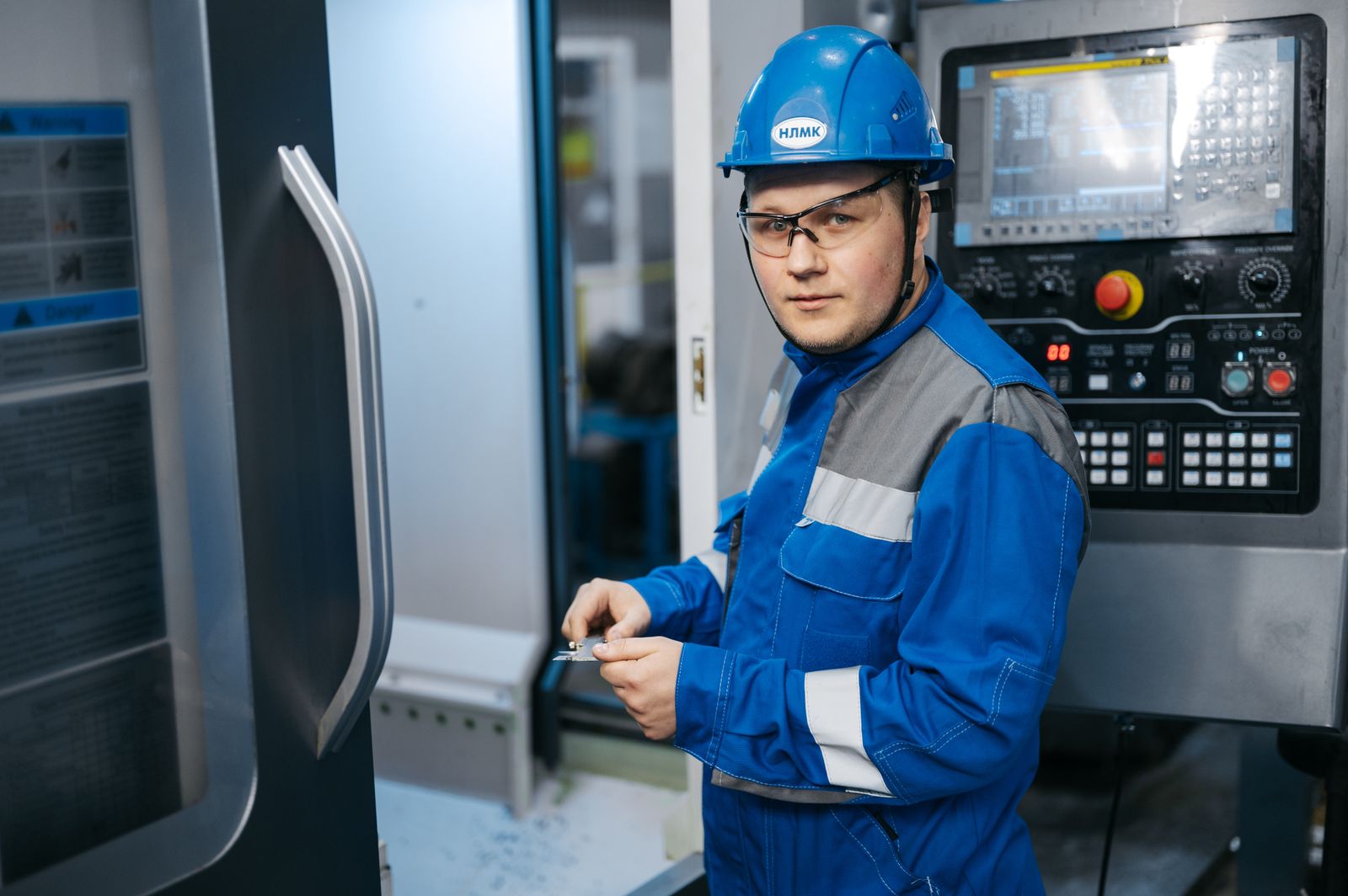
The Human Blind Spot in Industry 4.0
Most Industry 4.0 initiatives have prioritized technical performance—uptime, throughput, accuracy, and efficiency. However, human factors such as trust, cognitive load, motivation, and decision confidence were often treated as secondary considerations.
This imbalance has created several predictable challenges:
- Alert fatigue on the shop floor
- Resistance to AI-driven recommendations
- Overreliance on manual overrides
- Erosion of accountability in decision-making
In short, advanced systems exist, but adoption and sustained use lag behind.
Why Technology-Led AI Often Fails in Practice
AI systems frequently underperform in operational environments for three primary reasons:
1. Opaque Recommendations
When users cannot understand why a system suggests an action, they hesitate to trust it—especially in high-risk industrial environments.
2. Misaligned Autonomy
Fully automated decisions can feel disempowering, while purely advisory systems create ambiguity.
Finding the right balance between automation and human authority is critical.
3. Cognitive Overload
Presenting too many signals, metrics, or options reduces decision quality rather than improving it.
These issues are not technical shortcomings—they are design failures.
From Industry 4.0 to Industry 5.0: A Strategic Evolution
Industry 5.0 reframes the role of technology—from replacing human effort to augmenting human capability.
Human-centred AI systems are designed to:
- Support human judgment rather than override it
- Adapt to human workflows and constraints
- Make reasoning transparent and contestable
This shift does not slow transformation.
Instead, it accelerates adoption and improves outcomes.
What Human-Centred AI Looks Like in Manufacturing
In practice, human-centred AI introduces several core design principles:
1. Explainability by Role
Operators, engineers, and executives receive explanations tailored to their decisions, rather than generic model outputs.
2. Guided Decision-Making
Systems narrow options, highlight trade-offs, and recommend actions while leaving final authority with humans.
3. Learning from Feedback
Human responses—accepting, modifying, or rejecting recommendations—become part of the continuous learning loop.
4. Psychological Safety
Systems are designed to reduce stress and uncertainty, rather than amplify them during disruptions.
Where Human-Centred AI Creates Disproportionate Value
The impact of human-centred AI is strongest in environments that are:
- Complex and variable
- Safety-critical or quality-critical
- Dependent on expert human judgment
Typical Applications
Common use cases include:
- Production disruption management
- Maintenance decision support
- Quality intervention timing
- Workforce-aware scheduling
In these contexts, trust and clarity matter as much as accuracy.
A Practical Framework for Leaders
Organizations seeking to embed human-centred AI should focus on five strategic actions:
- Redesign AI initiatives around decisions, not models
- Define clear human–machine responsibility boundaries
- Invest in explainability as a core capability
- Capture human feedback systematically
- Measure success through adoption, confidence, and outcomes
Human-centred design becomes a multiplier for technical investment.
Conclusion
The future of manufacturing intelligence will not be defined by how autonomous systems become, but by how effectively they collaborate with people.
Human-centred AI is not a soft concept—it is a hard performance lever.
Organizations that integrate it intentionally will achieve:
- Faster adoption
- Better decisions
- More sustainable transformation outcomes
Industry 4.0 provided the tools.
Industry 5.0 provides the perspective.
The winners will be those who combine both.